In today’s competitive logistics and supply chain industry, warehouse managers are constantly searching for ways to improve operational performance. Faster order fulfillment, lower labor costs, and better inventory management have become essential business goals. One of the most effective tools for achieving these objectives is the Electric Stacker.
As a critical piece of Warehouse Material Handling Equipment, an electric stacker helps businesses streamline workflows, increase productivity, and improve overall warehouse efficiency. This article explores how an electric stacker contributes to modern warehouse success and why it has become an indispensable asset for material handling operations.
The Growing Need for Warehouse Productivity and Efficiency
Warehouses today face numerous challenges, including increasing order volumes, labor shortages, rising operating costs, and customer expectations for faster deliveries.
To remain competitive, businesses must focus on Warehouse Productivity Improvement and Warehouse Efficiency Solutions that reduce bottlenecks and optimize daily operations.
Traditional manual handling methods often limit productivity because they require more labor, consume more time, and increase the risk of workplace injuries. As a result, many companies are investing in Electric Warehouse Equipment to automate repetitive tasks and improve operational performance.
What Is an Electric Stacker?
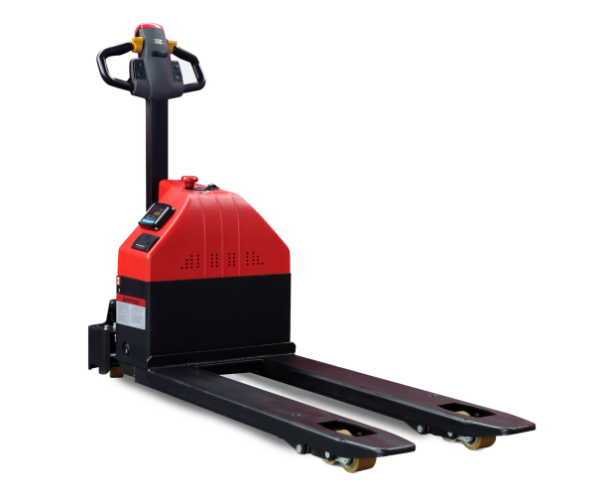
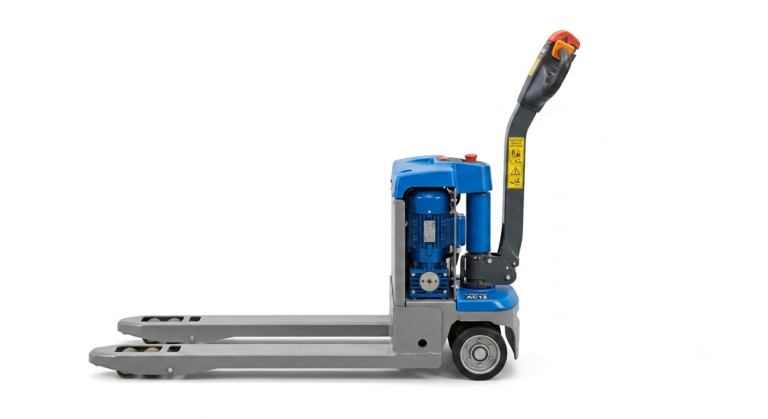
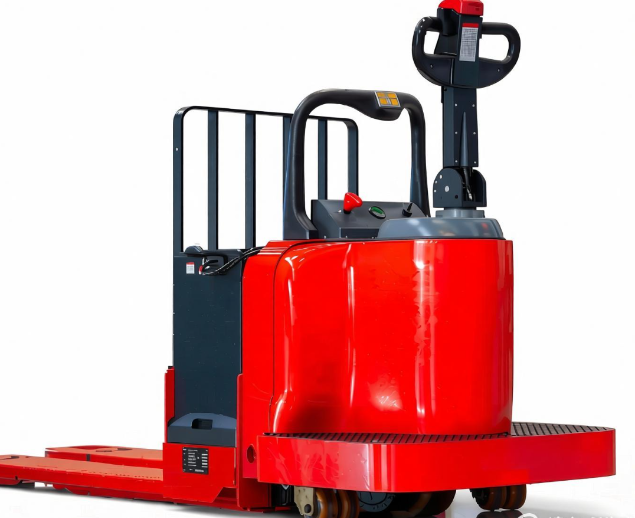
An Electric Stacker is a powered lifting and transporting machine designed to move palletized goods within warehouses, distribution centers, and manufacturing facilities.
Unlike manual stackers, a Battery Powered Stacker uses an electric motor to lift and transport loads with minimal physical effort from operators.
Common components include:
Electric drive system
Hydraulic lifting mechanism
Rechargeable battery
Forks for pallet handling
Operator control system
An Electric Stacker for Material Handling provides an efficient solution for transporting goods over short to medium distances while maximizing storage space.
How Electric Stackers Increase Warehouse Productivity
Faster Material Movement
One of the primary ways Electric Stacker Productivity improves warehouse operations is through faster material transportation.
Workers can move pallets quickly between receiving areas, storage racks, and shipping zones without the delays associated with manual equipment. This increased speed enables businesses to process more inventory in less time.
Reduced Manual Labor
Manual pallet movement requires significant physical effort and often slows down workflow efficiency.
A Powered Stacker automates lifting and transportation tasks, allowing employees to focus on higher-value activities such as inventory management and order processing. This significantly contributes to Increase Warehouse Productivity initiatives.
Improved Workflow Efficiency
An Electric Stacker for Warehouse Operations helps create smoother workflows by minimizing unnecessary movement and reducing operational interruptions.
When products can be transported and stacked efficiently, warehouse teams experience fewer delays, resulting in better overall productivity.
Faster Loading and Unloading Operations
Receiving and shipping processes are among the most critical warehouse activities.
An Electric Pallet Stacker accelerates loading and unloading tasks, helping businesses reduce turnaround times and improve customer satisfaction.
How Electric Stackers Improve Warehouse Efficiency
Better Space Utilization
Efficient use of warehouse space is essential for controlling operational costs.
An Electric Lift Stacker enables vertical stacking of inventory, allowing businesses to maximize storage capacity without expanding facility size. This directly supports Warehouse Efficiency Optimization efforts.
Enhanced Accuracy and Control
Modern electric stackers provide precise lifting and positioning capabilities.
Operators can place pallets more accurately, reducing product damage and improving inventory organization. Improved accuracy contributes significantly to Warehouse Process Optimization.
Reduced Equipment Downtime
Compared with larger material handling equipment, many Industrial Electric Stackers require less maintenance and are easier to operate.
Lower downtime means equipment remains available for daily operations, supporting consistent productivity levels.
Lower Operating Costs
Businesses seeking Warehouse Productivity Solutions often prioritize cost reduction.
Electric stackers typically consume less energy than forklifts and require fewer maintenance resources. Combined with reduced labor requirements, these savings can significantly lower overall operating expenses.
Electric Stacker vs Traditional Manual Handling Methods
When comparing an Electric Stacker vs Manual Handling approach, the advantages become clear.
Speed
Electric stackers transport and lift loads much faster than manual equipment, reducing task completion times.
Safety
Manual lifting can increase the risk of workplace injuries. An electric stacker minimizes physical strain and creates a safer working environment.
Productivity
A Warehouse Stacker allows operators to move more goods during each shift, resulting in measurable productivity gains.
Cost Effectiveness
Although electric stackers require an initial investment, their long-term labor savings and efficiency improvements often deliver a strong return on investment.
Key Industries Benefiting from Electric Stackers
Warehousing
Modern warehouses rely on Efficient Material Handling Equipment to manage inventory movement and maximize storage capacity.
Logistics and Distribution Centers
Distribution centers use Electric Stacker Trucks to support high-volume order fulfillment operations and maintain efficient workflows.
Manufacturing Facilities
Manufacturers use electric stackers to transport raw materials, components, and finished products between workstations and storage areas.
Retail Distribution
Retail businesses benefit from Warehouse Operational Efficiency improvements when managing inventory replenishment and storage operations.
Choosing the Right Electric Stacker for Your Warehouse
Selecting the right equipment is essential for achieving maximum productivity.
Load Capacity
Choose an electric stacker capable of handling your average pallet weights safely and efficiently.
Lift Height
Ensure the machine can reach the required storage rack heights within your facility.
Battery Performance
A high-quality Battery Powered Stacker should provide sufficient operating time to support daily warehouse activities.
Warehouse Layout
The size of aisles and storage areas should influence your equipment selection. A Walk Behind Electric Stacker may be ideal for narrow aisles, while a Fully Electric Stacker is often better suited for larger facilities with higher throughput requirements.
The Future of Warehouse Productivity with Electric Stackers
As warehouse automation continues to evolve, the role of the Electric Stacker becomes increasingly important.
Businesses are adopting advanced technologies to achieve Warehouse Workflow Improvement, improve safety standards, and reduce operating costs. Electric stackers provide a practical and cost-effective way to support these goals while delivering measurable gains in productivity and efficiency.
Whether operating a small warehouse or a large distribution center, investing in the right electric stacker can significantly enhance material handling performance and prepare facilities for future growth.
Conclusion
The answer to How Does an Electric Stacker Help Improve Warehouse Productivity and Efficiency is simple: it enables faster material movement, reduces manual labor, optimizes storage space, improves workplace safety, and lowers operational costs.
As a versatile piece of Electric Warehouse Equipment, an electric stacker helps businesses achieve higher productivity levels while maintaining efficient and reliable warehouse operations. For companies seeking long-term growth and operational excellence, investing in a modern Electric Stacker for Warehouse Operations is a strategic decision that delivers substantial benefits across every stage of the supply chain.