Choosing the right material handling equipment is one of the most important decisions for improving warehouse efficiency. Every warehouse has different requirements based on available space, storage systems, workload, and operational processes.
Selecting the wrong machine can lead to inefficient workflows, higher operating costs, and unnecessary maintenance expenses. This is why understanding How to Choose the Right Electric Stacker is essential for businesses looking to optimize their warehouse operations.
An Electric Stacker is a flexible and efficient solution for lifting, transporting, and stacking palletized goods. However, the best model depends on your specific warehouse layout and storage needs.This guide explains the key factors you should consider when selecting an Electric Stacker for Warehouse Operations.
Why Choosing the Right Electric Stacker Matters for Warehouse Operations
Modern warehouses require fast, safe, and reliable material handling solutions. As inventory volumes increase, traditional manual handling methods often fail to meet productivity requirements.
The right Warehouse Electric Stacker Selection Guide can help businesses:
Improve warehouse productivity
Reduce labor requirements
Optimize storage space
Improve workplace safety
Lower long-term operating costs
A properly selected Electric Stacker for Material Handling ensures that operators can move goods efficiently while maximizing warehouse capacity.
Understanding Different Types of Electric Stackers
Before choosing equipment, it is important to understand the different types of electric stackers available.
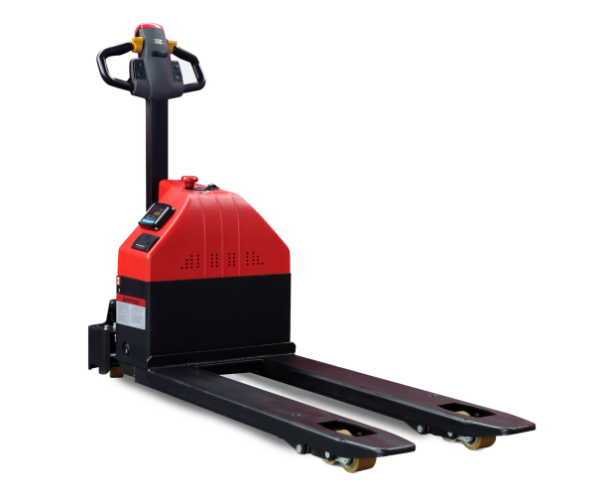
Fully Electric Stacker
A Fully Electric Stacker uses electric power for both driving and lifting operations. It is ideal for warehouses that require frequent pallet movement and higher operational efficiency.
Advantages include:
Reduced operator fatigue
Faster handling speed
Higher productivity
Lower physical workload
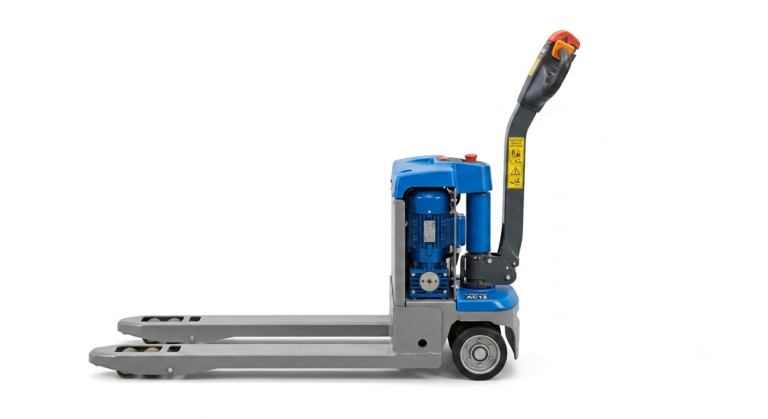
Semi Electric Stacker
A Semi Electric Stacker combines manual movement with electric lifting functions.
This type is suitable for warehouses with moderate workloads that need an affordable lifting solution without requiring full automation.
Walk Behind Electric Stacker
A Walk Behind Electric Stacker is designed for compact environments and narrow working areas.
It is commonly used as an Electric Stacker for Narrow Aisles, where traditional forklifts may have difficulty operating.
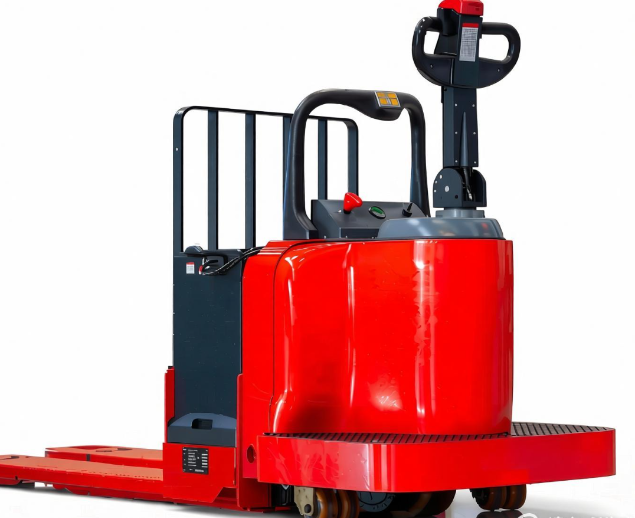
Electric Pallet Stacker
An Electric Pallet Stacker is mainly designed for pallet transportation and stacking applications.
It is widely used in:
Warehouses
Distribution centers
Manufacturing facilities
Retail storage areas
Key Factors to Consider When Choosing an Electric Stacker
Warehouse Layout and Available Space
The first step in choosing an electric stacker is analyzing your warehouse layout.
The width of aisles, storage rack design, and available operating space directly affect equipment selection.
For warehouses with limited space, an Electric Stacker for Narrow Aisles or compact warehouse equipment may provide better maneuverability.
Important factors include:
Aisle width
Turning radius
Storage rack height
Floor conditions
A suitable Electric Stacker for Warehouse Layout allows operators to move efficiently without damaging inventory or infrastructure.
Load Capacity Requirements
Load capacity is one of the most important Electric Stacker Selection Criteria.
Before purchasing, businesses should evaluate:
Average pallet weight
Maximum load weight
Frequency of heavy lifting tasks
Choosing an electric stacker with insufficient capacity can reduce safety and equipment lifespan.
A professional Electric Stacker Load Capacity assessment ensures that the machine matches daily operational requirements.
Lifting Height and Storage Rack Design
Warehouse storage systems often determine the required lifting height.
High-density storage facilities require equipment capable of reaching elevated racks safely.
When evaluating Electric Stacker Lifting Height, consider:
Maximum rack height
Pallet stacking levels
Warehouse ceiling height
The correct lifting capability helps improve Warehouse Storage Optimization and maximize vertical space.
Battery Performance and Working Hours
Battery performance directly impacts warehouse productivity.
A reliable Electric Stacker Battery Life determines how long the equipment can operate before charging.
When selecting a battery-powered model, consider:
Daily operating hours
Charging time
Battery replacement cost
Working intensity
A high-performance Battery Powered Stacker helps reduce downtime and maintain continuous operations.
Operating Environment and Application
Different industries have different material handling requirements.
Understanding Electric Stacker Applications in Warehouse helps businesses select the most suitable equipment.
Common applications include:
Inventory storage
Pallet stacking
Order preparation
Production material transportation
For heavy-duty industrial environments, an Industrial Electric Stacker may be more suitable than a compact model.
Choosing an Electric Stacker Based on Warehouse Size
Small Warehouse Applications
Small warehouses usually require compact and flexible equipment.
An Electric Stacker for Small Warehouse operations should provide:
Easy maneuverability
Low maintenance requirements
Efficient space utilization
A Walk Behind Electric Stacker is often an ideal choice for limited storage areas.
Medium Warehouse Operations
Medium-sized warehouses often need a balance between performance and cost.
A Powered Stacker with suitable lifting capacity can improve workflow efficiency while maintaining operational flexibility.
Large Distribution Centers
Large facilities typically require higher-performance solutions.
A Fully Electric Stacker or Electric Stacker Truck can support intensive material movement and improve warehouse productivity.
Electric Stacker vs Other Material Handling Equipment
When evaluating the Best Material Handling Equipment for Warehouse, companies often compare electric stackers with other options.
Electric Stacker vs Forklift
Electric stackers:
Require less operating space
Have lower maintenance costs
Are easier to operate
Forklifts:
Handle heavier loads
Are suitable for outdoor applications
Require more investment
Electric Stacker vs Manual Pallet Jack
Compared with manual equipment, an electric stacker provides:
Faster operation
Reduced physical effort
Improved workplace safety
For businesses focused on Warehouse Space Utilization, electric stackers provide significant advantages.
Common Mistakes When Selecting an Electric Stacker
Many companies make mistakes during equipment selection, including:
Ignoring Warehouse Layout
Choosing a machine without considering aisle width can reduce efficiency.
Selecting Based Only on Price
The cheapest option may not provide the required performance or durability.
Underestimating Future Growth
Businesses should consider future inventory increases when selecting equipment.
Ignoring Maintenance Requirements
Long-term reliability depends on proper equipment quality and service support.
How Electric Stackers Improve Warehouse Storage Efficiency
A properly selected Electric Stacker for Storage Needs can significantly improve warehouse performance.
Benefits include:
Better vertical storage utilization
Faster pallet movement
Reduced inventory handling time
Improved workflow organization
By supporting High Density Storage Solutions, electric stackers allow businesses to maximize available warehouse space without expanding facilities.
Conclusion: Finding the Best Electric Stacker for Your Warehouse
Choosing the right Electric Stacker requires careful consideration of warehouse layout, load requirements, lifting height, battery performance, and application environment.
The ideal machine should match your operational needs while improving efficiency, safety, and productivity.
Whether you operate a small storage facility or a large distribution center, selecting the Best Electric Stacker for Warehouse applications can help optimize material handling processes and create long-term business value.
With the right Warehouse Stacker Equipment, companies can achieve better storage efficiency, smoother workflows, and a more productive warehouse environment.