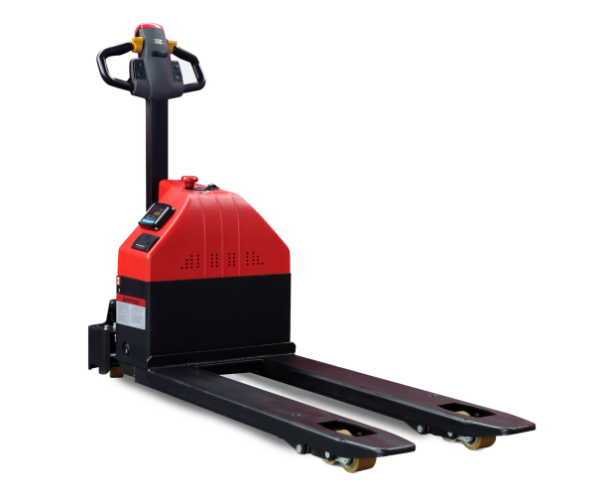
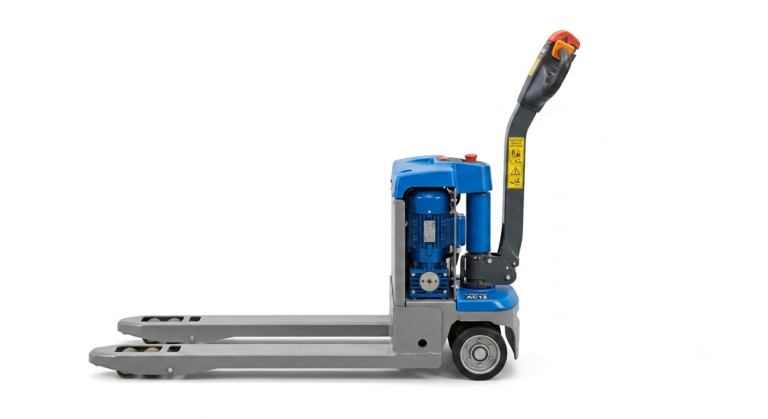
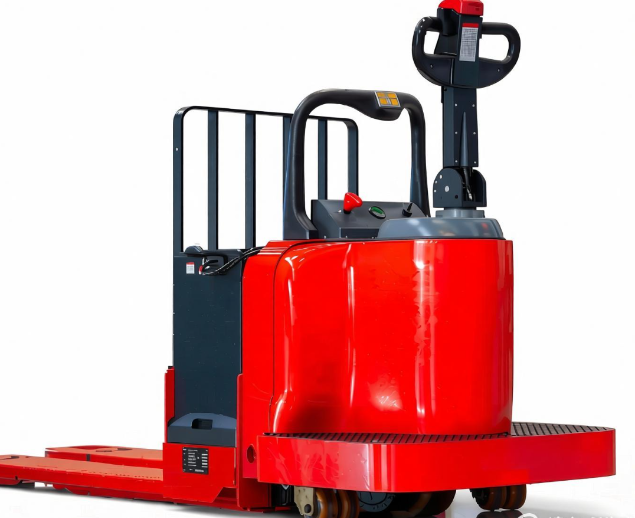
Electric stackers have become one of the most important pieces of equipment in modern warehouses, distribution centers, and manufacturing facilities. They provide an efficient solution for lifting, transporting, and stacking palletized goods while reducing manual labor requirements.
But how exactly does an electric stacker work?
From the moment energy is supplied by the battery to the final lifting of a pallet, multiple systems work together to create smooth and controlled material handling operations.Understanding the Electric Stacker Working Principle helps businesses choose the right equipment, improve operation efficiency, and maintain better warehouse performance.This article explains How Does an Electric Stacker Work, including its power system, internal components, and load lifting process.
Understanding the Basic Working Principle of an Electric Stacker
An Electric Stacker is a powered material handling machine that uses electricity to perform driving and lifting operations.
Unlike manual stackers, electric models rely on a battery-powered motor system to reduce physical effort and improve operational efficiency.
The basic working process includes:
Battery stores electrical energy
Controller manages power output
Electric motor converts energy into movement
Hydraulic system generates lifting force
Forks lift and transport loads
This complete process explains the Electric Stacker Operation Process from power supply to load handling.
How Battery Power Drives an Electric Stacker?
The battery is the primary energy source of an electric stacker.
The Electric Stacker Battery Power System provides electricity for both movement and lifting functions.
Battery Energy Storage
Most electric stackers use rechargeable batteries, including:
Lead-acid batteries
Lithium-ion batteries
The battery stores electrical energy and releases power when the operator activates the machine.
Power Transmission
When the operator controls the machine, electrical energy flows from the battery to the controller and motor.
The Electric Stacker Power System regulates energy distribution to ensure stable operation.
Electric Motor Operation
The electric motor converts electrical energy into mechanical movement.
It provides power for:
Driving wheels
Hydraulic pump operation
Load lifting functions
Compared with fuel-powered equipment, electric stackers provide cleaner and quieter operation, making them suitable for indoor warehouses.
Main Components of an Electric Stacker and Their Functions
Understanding Electric Stacker Components and Functions helps users better understand how the machine operates.
Battery System
The battery provides the energy required for operation.
Its main functions include:
Supplying electrical power
Supporting continuous operation
Reducing dependence on manual labor
Proper battery management is essential for maintaining performance.
Electric Motor
The motor is responsible for converting electrical energy into mechanical power.
It controls:
Forward movement
Reverse movement
Operating speed
A high-quality motor improves efficiency and reduces energy consumption.
Controller System
The controller acts as the brain of the machine.
It manages:
Power output
Driving speed
Safety controls
Operating responses
The controller ensures smooth interaction between the operator and equipment.
Hydraulic Pump
The hydraulic pump creates the pressure needed for lifting.
When activated, it sends hydraulic fluid through the lifting system to raise the forks.
The hydraulic system is a key part of the Electric Stacker Hydraulic Lifting System.
Mast and Fork Assembly
The mast supports vertical lifting movement, while the forks hold pallet loads.
Together, these components allow the machine to perform:
Pallet lifting
Stacking
Load transportation
How Does an Electric Stacker Lift Loads?
The load lifting process is one of the most important functions of an electric stacker.
The Electric Stacker Load Lifting Mechanism works through a combination of electrical control and hydraulic power.
The lifting process includes:
Step 1: Operator Activates the Lift Control
The operator presses the lifting button or uses the control handle.
The signal is sent to the machine controller.
Step 2: Battery Supplies Power
The battery sends electricity to activate the hydraulic pump.
Step 3: Hydraulic System Generates Pressure
The hydraulic pump pushes fluid into the lifting cylinder.
This creates the force required to raise the mast and forks.
Step 4: Forks Lift the Load
The forks move upward smoothly, lifting the pallet to the required height.
The operator can then transport or stack the load safely.
This process explains How Electric Stacker Lifts Loads efficiently and accurately.
Step-by-Step Electric Stacker Operation Process
A typical operating cycle follows these steps:
1. Power Activation
The operator turns on the machine and checks system status.
2. Load Positioning
The forks are aligned with the pallet openings.
Correct positioning improves stability.
3. Load Lifting
The hydraulic system raises the pallet smoothly.
Operators should always follow safe lifting procedures.
4. Load Transportation
The electric drive system moves the machine to the required location.
5. Load Placement
The forks lower the pallet into the correct storage position.
This complete cycle demonstrates the efficiency of modern Battery Powered Stacker technology.
Electric Stacker vs Traditional Manual Handling Equipment
Compared with manual material handling tools, electric stackers provide several advantages.
Higher Efficiency
Electric motors allow faster movement and lifting compared with manual operation.
Reduced Physical Labor
Operators do not need to manually lift heavy loads.
Improved Safety
Controlled electric operation reduces the risk of injuries caused by repetitive lifting.
As a result, electric stackers have become an important type of Battery Powered Material Handling Equipment for modern warehouses.
Why Electric Stackers Are Efficient for Modern Warehouses
Modern warehouses require equipment that improves productivity while controlling operating costs.
Electric stackers provide advantages including:
Energy Efficiency
Electric power reduces fuel consumption and provides cleaner indoor operation.
Low Maintenance Requirements
Compared with traditional equipment, electric stackers usually require fewer mechanical services.
Flexible Operation
Compact designs allow operation in:
Narrow aisles
Small warehouses
Storage areas
Distribution centers
These advantages make electric stackers a reliable choice for Energy Efficient Warehouse Equipment solutions.
How Understanding Electric Stacker Technology Helps Equipment Selection
Understanding Electric Stacker Technology Explained allows businesses to select equipment based on real operational needs.
Important factors include:
Battery Type
Choose between lithium-ion or lead-acid batteries depending on working hours and charging requirements.
Load Capacity
Select equipment that matches average pallet weight requirements.
Lifting Height
Ensure the machine can reach required storage levels.
Operating Environment
Consider:
Warehouse size
Aisle width
Working frequency
A proper understanding of technology helps businesses invest in the right Electric Stacker solution.
Conclusion: From Battery Power to Efficient Load Lifting
The operation of an electric stacker involves a combination of battery power, electrical control, motor technology, and hydraulic lifting systems.From the Electric Stacker Battery Power System to the Electric Stacker Load Lifting Mechanism, every component works together to provide safe, efficient, and reliable material handling.By understanding How Does an Electric Stacker Work, businesses can make better purchasing decisions, improve warehouse efficiency, and maximize equipment performance.As warehouses continue moving toward smarter and more sustainable operations, electric stackers will remain an essential solution for modern material handling.