Introduction
Electric tuggers have become an essential piece of material handling equipment in warehouses, factories, and logistics facilities. They help workers move heavy carts, racks, and equipment with less physical effort while improving workflow efficiency.
However, the performance and safety benefits of an electric tugger depend greatly on proper operation. Understanding how to operate an electric tugger safely is essential for preventing accidents, protecting operators, and extending equipment lifespan.
Following proper electric tugger operation safety guidelines allows businesses to achieve safer workplaces and more efficient material transportation.
Understanding Electric Tugger Basics Before Operation
Before operating an electric tugger, operators should understand how the equipment works.
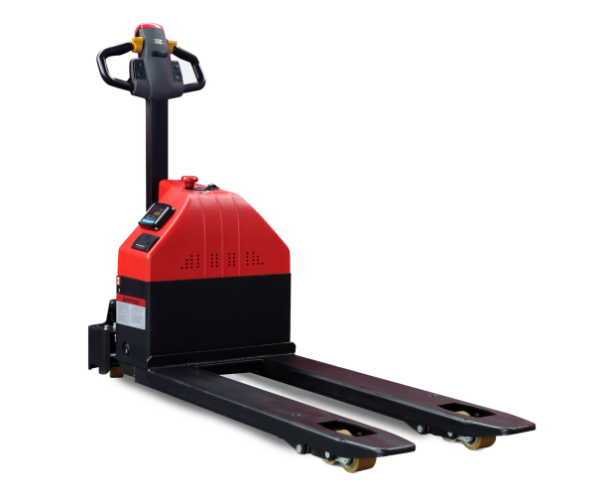
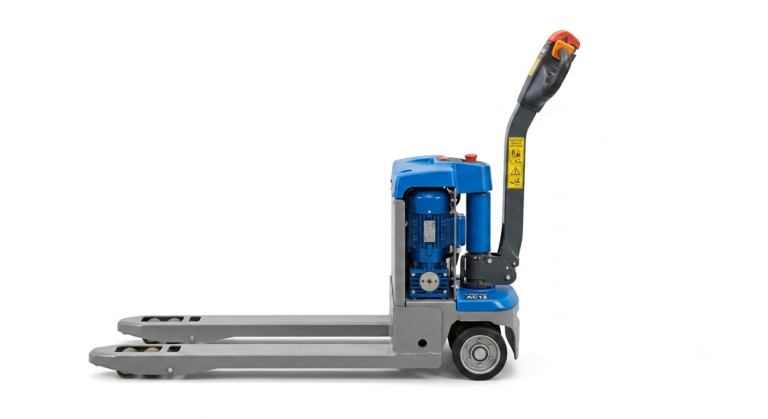
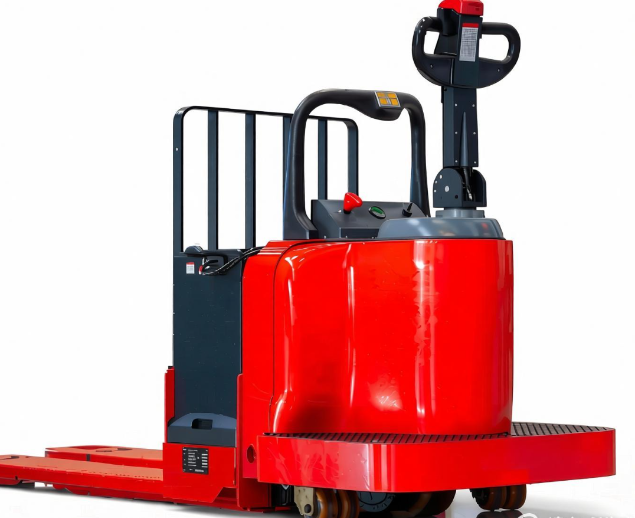
An electric tugger is a motor-powered towing device designed to move heavy loads through controlled pulling force. Unlike manual handling methods, a battery-powered electric tugger uses an electric motor to reduce physical workload.
Common components include:
- Rechargeable battery system
- Electric drive motor
- Control handle
- Safety brake system
- Towing attachments
Modern industrial tuggers are designed to improve efficiency while maintaining operator safety in demanding environments.
Step-by-Step Guide for Safe Electric Tugger Operation
1. Perform a Pre-Operation Inspection
Before starting work, operators should complete a basic equipment inspection.
Following proper electric tugger operating procedures helps identify potential issues before operation.
Check:
- Battery charging level
- Emergency stop function
- Control switches
- Wheels and tires
- Towing connections
- Brake performance
A quick inspection can prevent unexpected failures and improve workplace safety.
2. Understand Load Capacity and Attachments
One of the most important rules for safe operation of electric tuggers is understanding load limitations.
Operators should always:
- Check the maximum towing capacity
- Use suitable towing attachments
- Secure loads properly
- Avoid unstable carts or equipment
Using correct electric tugger handling techniques ensures smoother transportation and reduces accident risks.
3. Operate the Electric Tugger Correctly
Proper control is essential when using electric towing equipment.
Operators should:
Start Slowly
Avoid sudden acceleration, especially when moving heavy loads.
Maintain Safe Speed
Control speed according to:
- Floor conditions
- Traffic areas
- Load weight
Make Careful Turns
Sharp turns can cause instability, especially with large carts.
Following these practices helps ensure the safe operation of electric tuggers in busy warehouse environments.
Best Practices for Efficient Electric Tugger Operation
Safety is important, but efficiency is also a key factor.
1. Plan Transportation Routes
Efficient routes reduce unnecessary movement and improve productivity.
A well-planned workflow helps achieve efficient electric tugger operation by:
- Reducing travel distance
- Avoiding congested areas
- Improving material flow
2. Avoid Overloading Equipment
Overloading can reduce equipment performance and increase safety risks.
Operators should always follow manufacturer specifications and select the correct electric tugger model for each application.
Optimized operation helps improve productivity while reducing equipment wear.
3. Provide Proper Operator Training
Training is one of the most effective ways to improve safety.
A complete electric tugger safety training program should include:
- Equipment controls
- Load handling
- Safety procedures
- Emergency response
- Daily inspections
Well-trained operators can use equipment more confidently and efficiently.
Common Mistakes When Operating Electric Tuggers
Even advanced equipment can become unsafe if operated incorrectly.
Common mistakes include:
Overloading the Tugger
Moving loads beyond capacity may damage components and create safety hazards.
Ignoring Safety Checks
Skipping inspections can lead to unexpected equipment problems.
Excessive Speed
High-speed operation increases the risk of collisions and unstable loads.
Lack of Training
Operators without proper knowledge may misuse equipment.
Following electric tugger workplace safety tips can significantly reduce these risks.
How Electric Tugger Safety Training Improves Workplace Performance
A structured training program provides long-term benefits.
Proper electric tugger safety training helps companies:
- Reduce workplace accidents
- Improve operator confidence
- Increase equipment lifespan
- Maintain consistent productivity
When employees understand correct operating methods, companies can maximize the value of their material handling equipment.
Maintenance Tips for Long-Term Electric Tugger Performance
Regular maintenance is essential for reliable operation.
Recommended practices include:
Battery Maintenance
- Charge batteries correctly
- Check battery condition regularly
- Avoid complete discharge
Mechanical Inspection
Inspect:
- Wheels
- Brakes
- Towing components
- Electrical connections
Regular Cleaning
Keeping equipment clean prevents dust and debris from affecting performance.
Combining maintenance with proper operation ensures better long-term performance.
Conclusion
Operating an electric tugger safely and efficiently requires proper training, regular inspection, and correct handling techniques.
By following electric tugger operation safety guidelines, businesses can improve workplace safety, increase productivity, and reduce operational costs.Whether used in warehouses, manufacturing facilities, or logistics centers, electric tuggers provide a reliable solution for modern material handling needs.A combination of safe operating practices, operator training, and regular maintenance allows companies to fully benefit from this advanced equipment.