Introduction
Choosing the right equipment for material handling is an important decision for warehouses, factories, and logistics operations. For decades, forklifts have been the standard solution for moving heavy loads. However, with increasing demand for safer, more efficient, and cost-effective solutions, many companies are now considering electric tuggers as an alternative.
The question is:
Should you choose an electric tugger or a forklift for material handling?
The answer depends on your operational requirements, load type, workspace, and transportation goals.
This article provides an in-depth electric tugger vs forklift for material handling comparison to help businesses select the right solution.
Understanding Electric Tuggers and Forklifts
What Is an Electric Tugger?
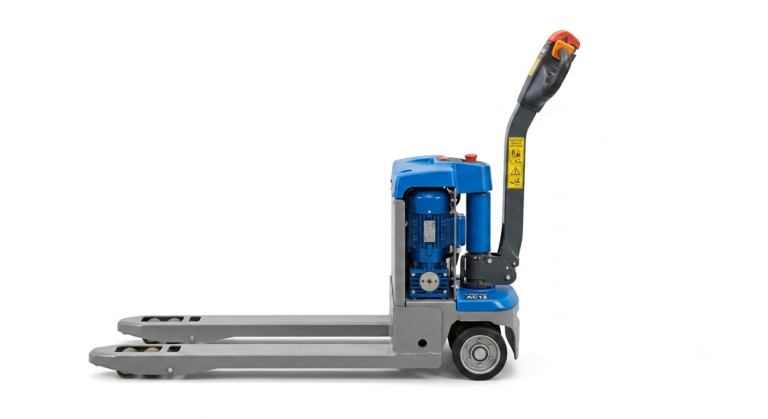
An electric tugger is a powered material handling device designed to pull carts, racks, and equipment throughout warehouses and industrial facilities.
Unlike lifting equipment, an electric tugger focuses on horizontal transportation.
Common applications include:
- Moving warehouse carts
- Transporting production materials
- Internal logistics movement
- Supply chain operations
An electric tugger for warehouse material handling is especially useful when companies need frequent movement of goods across production areas.
What Is a Forklift?
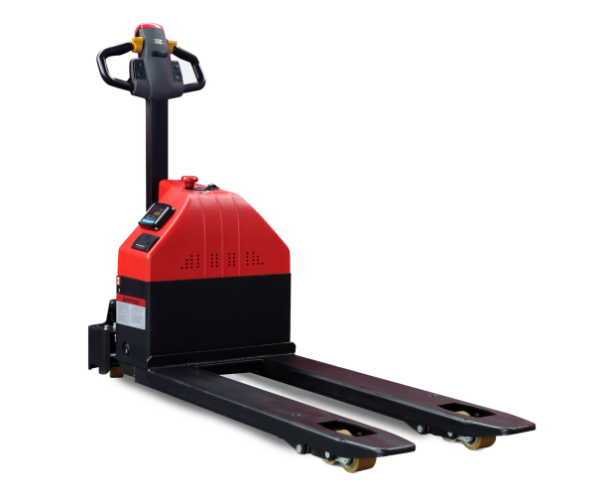
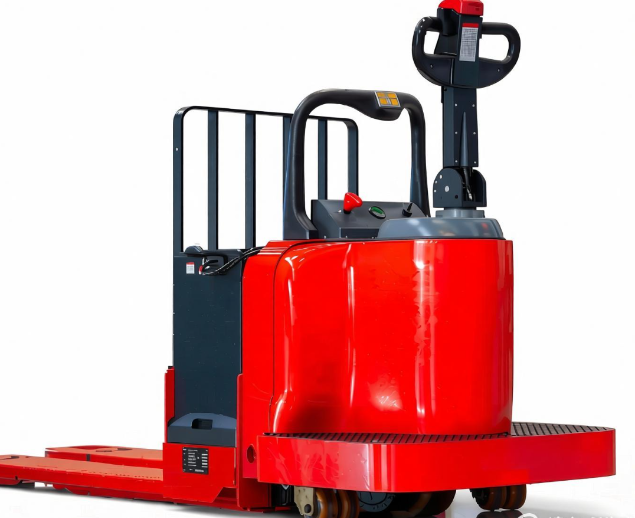
A forklift is an industrial vehicle designed for lifting and transporting heavy loads.
Forklifts are commonly used for:
- Pallet handling
- Loading and unloading trucks
- Warehouse stacking
- High-level storage operations
A warehouse forklift is ideal when vertical lifting capability is required.
Electric Tugger vs Forklift: Key Differences
1. Load Handling Capability
The biggest difference between an electric tugger and a forklift is how they move materials.
Electric tuggers are designed for pulling loads horizontally. They can move multiple carts or equipment units efficiently over longer distances.
Forklifts are designed for lifting and positioning heavy loads, especially pallets.
In an electric tugger and forklift comparison, neither machine is universally better. Each serves a different purpose.
2. Efficiency and Productivity
When comparing electric tugger vs forklift efficiency, businesses should consider workflow requirements.
Electric tuggers provide advantages in:
- Continuous material transportation
- Production line supply
- Repetitive transportation tasks
Forklifts perform better when operations require:
- Lifting
- Stacking
- Precise pallet positioning
For internal transportation, electric tuggers can often improve workflow by reducing unnecessary lifting operations.
3. Safety Performance
Safety is one of the most important factors in material handling.
Electric Tugger Safety Advantages
Electric tuggers typically offer:
- Lower operating height
- Better visibility
- Reduced tipping risks
- Easier operator control
Forklift Safety Considerations
Forklifts require specialized training because:
- Loads are lifted at height
- Visibility can be limited
- Improper operation may cause accidents
Therefore, many companies consider electric tugger vs forklift safety when improving workplace safety.
Cost Comparison Between Electric Tugger and Forklift
A detailed cost comparison between electric tugger and forklift shows several differences.
| Category | Electric Tugger | Forklift |
| Initial Investment | Usually lower | Usually higher |
| Maintenance | Simple maintenance | More complex |
| Operator Training | Easier training | Requires certification |
| Energy Consumption | Lower | Higher |
| Application Flexibility | Excellent for towing | Excellent for lifting |
For businesses focused on internal transportation, electric tuggers may provide better cost efficiency.
When Should You Choose an Electric Tugger?
An electric tugger is a strong choice when your operation requires:
Warehouse Transportation
Moving carts, racks, and materials between areas.
Manufacturing Support
Delivering components to production lines.
Repetitive Material Movement
Handling the same transportation tasks multiple times daily.
Safer Workplace Solutions
Reducing manual pushing and physical strain.
For these applications, an electric tugger can serve as an effective forklift alternative for material handling.
When Is a Forklift the Better Choice?
Forklifts remain the better option when businesses need:
- Heavy lifting capability
- Pallet stacking
- High storage operations
- Outdoor loading activities
Industries with large-scale storage systems often still depend on forklifts for vertical handling tasks.
Why Many Warehouses Are Choosing Electric Tugger Solutions
Many modern warehouses are adopting electric towing solutions because they provide:
Improved Efficiency
Electric tuggers simplify repetitive transportation tasks.
Better Safety
Lower operating risks help create safer workplaces.
Lower Operating Costs
Reduced maintenance and energy consumption improve long-term savings.
Flexible Applications
Electric tuggers can work in:
- Warehouses
- Factories
- Hospitals
- Airports
- Distribution centers
Compared with traditional equipment, electric towing equipment vs forklift solutions provide businesses with more options for optimizing internal transportation.
Electric Tugger or Forklift: Which One Should You Choose?
The best choice depends on your specific requirements.
Choose an electric tugger if you need:
✔ Horizontal transportation
✔ Frequent cart movement
✔ Safer warehouse operations
✔ Lower operating costs
Choose a forklift if you need:
✔ Heavy lifting
✔ Pallet stacking
✔ High-level storage access
In many modern facilities, both machines can work together to create a complete material handling system.
Conclusion
The decision between an electric tugger and a forklift depends on the type of material handling tasks your business performs.
For warehouses focused on internal transportation, workflow optimization, and workplace safety, electric tuggers provide an efficient and practical solution.For operations requiring lifting and stacking capabilities, forklifts remain an essential tool.
By understanding the differences between electric tugger vs forklift for material handling, companies can select the right equipment to improve productivity, reduce costs, and create safer working environments.