Introduction
Electric tuggers have become an important solution for material transportation in warehouses, manufacturing plants, and logistics facilities. These machines help workers move heavy carts, racks, and equipment with less physical effort while improving overall workflow efficiency.
However, simply owning an electric tugger is not enough to achieve the best performance. Understanding how electric tugger works allows operators to use the equipment more effectively, reduce unnecessary wear, and improve workplace safety.
By learning the electric tugger working principle, operators can better understand equipment capabilities and make smarter decisions during daily operations.
What Is an Electric Tugger?
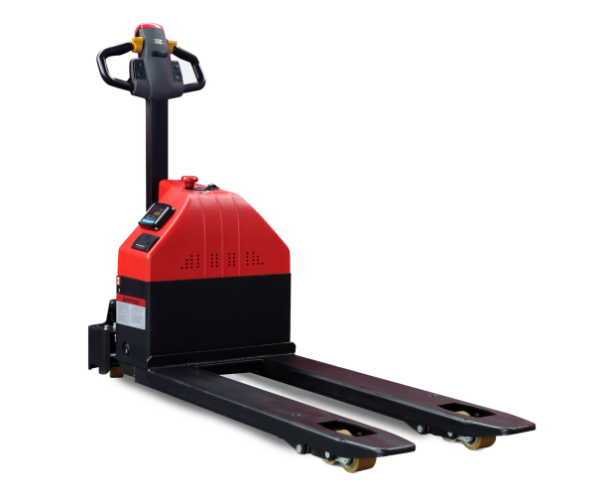
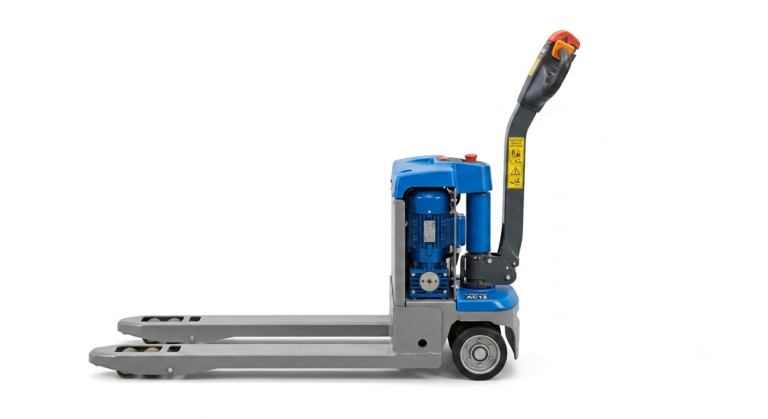
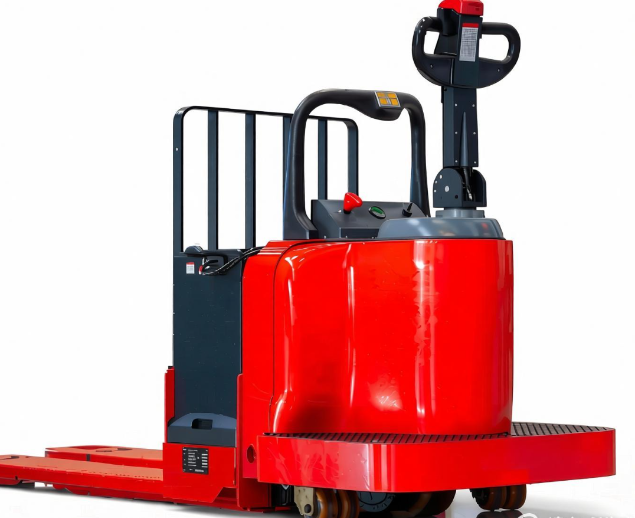
An electric tugger is a powered material handling device designed to pull and transport loads across industrial environments.
Unlike lifting equipment such as forklifts, electric tuggers focus mainly on horizontal transportation.
Common applications include:
- Warehouse cart movement
- Manufacturing material supply
- Production line support
- Internal logistics transportation
As a type of electric towing equipment, electric tuggers provide a cleaner and more efficient alternative to manual pushing and pulling.
Understanding the Electric Tugger Working Principle
To understand how an electric tugger operates, it is important to examine its main operating process.
The basic working principle includes three major stages:
- Power supply from the battery
- Conversion of electrical energy into mechanical movement
- Controlled movement through the operating system
1. Battery Provides Power
The battery is the primary energy source of a modern electric tugger.
During battery powered electric tugger operation, the battery supplies electricity to the motor system.
A high-quality battery system provides:
- Stable power output
- Longer operating time
- Reliable performance
Proper battery management also helps maintain equipment efficiency and reduce downtime.
2. Electric Motor Generates Driving Force
The electric motor converts electrical energy into mechanical power.
This power allows the wheels to generate the necessary force for pulling heavy loads.
The electric tugger mechanism explained can be summarized as:
Battery → Motor → Drive System → Wheel Movement → Load Transportation
The motor provides controlled pulling power, allowing operators to move heavy carts with minimal physical effort.
3. Control System Manages Movement
The control system is responsible for safe and accurate operation.
A modern electric tugger control system typically manages:
- Forward and reverse movement
- Speed adjustment
- Emergency stopping
- Operator commands
This allows users to control the machine smoothly in different working environments.
Main Components of an Electric Tugger and Their Functions
Understanding the major components helps operators use equipment more effectively.
Battery System
Function:
- Provides electrical energy
- Supports continuous operation
Maintenance importance:
- Regular charging
- Proper storage
- Battery condition monitoring
Electric Motor
Function:
- Generates driving power
- Controls towing capability
The motor determines how effectively the electric tugger can handle different loads.
Control Handle
Function:
- Allows operators to control movement
- Adjust speed and direction
A simple control interface improves usability and safety.
Wheels and Drive System
Function:
- Transfers motor power to movement
- Provides traction
Regular inspection ensures stable operation.
How Understanding Electric Tugger Operation Improves Efficiency
Knowing how equipment works helps operators achieve better performance.
Understanding the system can:
Reduce Operating Errors
Operators who understand equipment limitations are less likely to overload or misuse the machine.
Improve Productivity
Correct operation reduces unnecessary movement and improves workflow.
Extend Equipment Life
Proper usage reduces stress on motors, batteries, and mechanical parts.
Therefore, understanding the system is an effective way to improve electric tugger efficiency.
How to Operate an Electric Tugger More Effectively
1. Understand Load Requirements
Before operation, operators should know:
- Load weight
- Towing capacity
- Cart condition
Following an electric tugger operation guide helps prevent overload situations.
2. Use Correct Driving Techniques
Effective operation includes:
- Smooth acceleration
- Controlled turning
- Maintaining safe speed
- Avoiding sudden stops
Knowing how to operate an electric tugger effectively helps improve safety and productivity.
3. Follow Safety Procedures
Operators should always:
- Check equipment before use
- Maintain clear visibility
- Avoid unsafe operating areas
- Follow workplace guidelines
Following proper electric tugger usage tips for warehouses reduces operational risks.
Common Mistakes When Using Electric Tuggers
Even advanced equipment can perform poorly when used incorrectly.
Common mistakes include:
Overloading the Equipment
Exceeding capacity can damage the motor and drive system.
Incorrect Charging Practices
Poor battery management reduces operating time.
Ignoring Maintenance
Small issues may develop into expensive repairs.
Improper Driving Techniques
Sudden movements can increase equipment wear.
Understanding the electric tugger mechanism and maintenance basics helps prevent these problems.
Why Equipment Knowledge Matters for Warehouse Productivity
Operator knowledge directly affects equipment performance.
When employees understand how electric tuggers function, companies can achieve:
- Faster material transportation
- Fewer equipment problems
- Reduced maintenance costs
- Improved workplace safety
Training operators on equipment fundamentals is an important investment for warehouses and manufacturing facilities.
Conclusion
Understanding the electric tugger working principle is essential for maximizing equipment performance.
By learning how batteries, motors, control systems, and mechanical components work together, operators can use electric tuggers more safely and efficiently.
Whether used in warehouses, factories, or logistics operations, proper equipment knowledge helps companies improve productivity, reduce downtime, and achieve more reliable material handling performance.