Introduction
Manufacturing plants are constantly looking for ways to improve productivity, reduce operating costs, and create safer working environments. As production processes become more complex, traditional material handling methods are often unable to meet modern manufacturing demands.
Manual transportation of components, carts, and production materials can consume valuable labor resources and slow down production workflows.
This is why many manufacturers are adopting electric tuggers for manufacturing plants as an efficient solution for internal transportation.
With advanced technology, electric tuggers are transforming factory logistics by improving material flow, reducing physical workload, and supporting smarter production operations.
The Role of Electric Tuggers in Modern Manufacturing
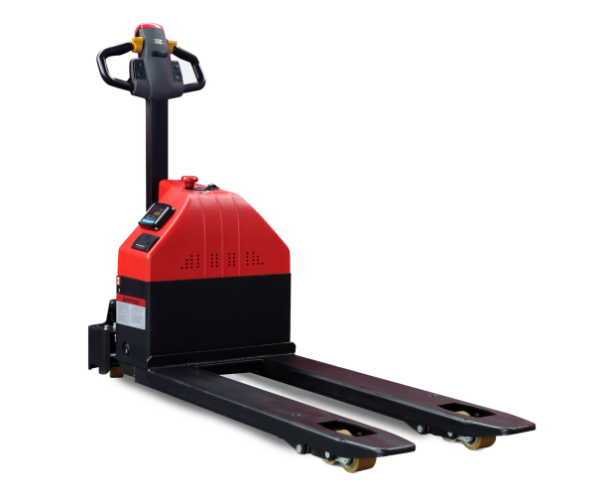
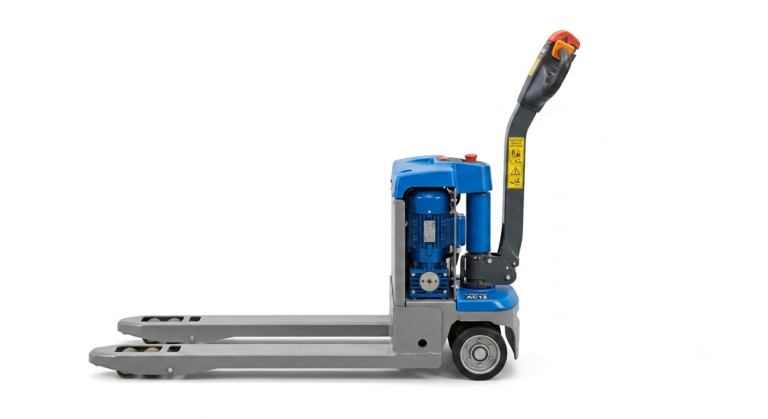
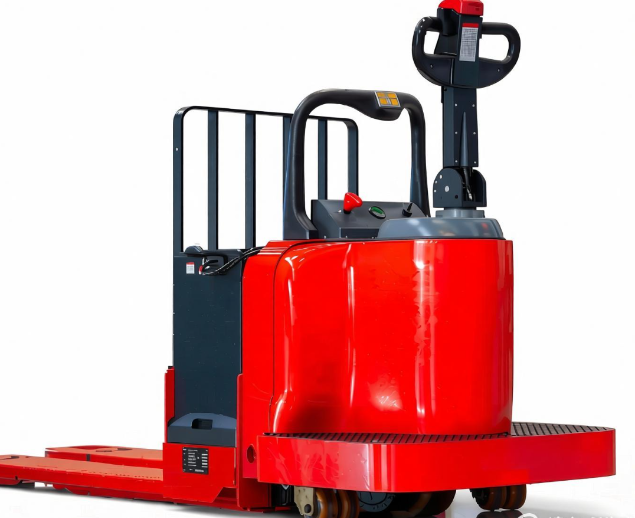
An electric tugger is a motor-powered material handling device designed to pull carts, racks, and equipment throughout industrial environments.
Unlike forklifts that focus mainly on lifting and stacking, electric tuggers are designed for horizontal transportation.
A modern electric tugger for manufacturing material handling can support:
- Production line supply
- Component transportation
- Tool movement
- Work-in-process material transfer
- Internal factory logistics
By improving the movement of materials between different production areas, electric tuggers help manufacturers create smoother workflows.
How Electric Tuggers Improve Manufacturing Efficiency
1. Faster Material Transportation
One of the biggest advantages of electric tuggers is faster internal transportation.
Traditional manual handling requires workers to push heavy carts or transport materials repeatedly throughout the day.
With how electric tuggers improve manufacturing efficiency, companies can achieve:
- Faster material delivery
- Reduced transportation time
- Improved production continuity
- Less worker fatigue
Electric tuggers allow employees to focus on higher-value tasks instead of repetitive transportation activities.
2. Supporting Lean Manufacturing Operations
Modern factories focus on reducing waste and improving workflow efficiency.
Electric tugger systems support lean manufacturing by creating more predictable material movement.
Through electric tugger workflow optimization, manufacturers can:
- Reduce waiting times
- Improve production line supply
- Maintain smoother material flow
- Reduce unnecessary movement
This makes electric tuggers an important tool for modern production environments.
3. Reducing Manual Labor Requirements
Heavy manual transportation can increase worker fatigue and injury risks.
The use of electric tugger benefits in manufacturing includes:
- Reduced physical workload
- Improved employee comfort
- Lower risk of workplace injuries
- Better labor utilization
Manufacturers can improve efficiency while creating a safer workplace.
Electric Tugger Applications in Manufacturing Plants
Automotive Manufacturing
Automotive factories often require continuous movement of:
- Engine components
- Assembly parts
- Production carts
- Tooling equipment
Industrial electric tuggers for factories provide reliable transportation support throughout automotive production areas.
Electronics Manufacturing
Electronics production requires accurate and efficient material movement.
Electric tuggers can help transport:
- Components
- Equipment carts
- Production materials
Their precise control makes them suitable for environments where careful handling is required.
Food and Beverage Manufacturing
Food production facilities require clean and efficient logistics solutions.
Electric tuggers support:
- Cart movement
- Material transportation
- Production supply operations
They help maintain organized production workflows.
Electric Tuggers vs Traditional Material Handling Methods
Many factories still rely on manual handling or traditional equipment.
Compared with conventional methods, electric towing equipment for manufacturing offers several advantages.
| Category | Electric Tugger | Traditional Manual Handling |
| Transportation Speed | Faster | Slower |
| Worker Physical Effort | Lower | Higher |
| Safety | Improved | Higher risk |
| Workflow Control | Better | Limited |
| Operating Cost | Lower long-term cost | Higher labor dependency |
Electric tuggers provide a practical solution for factories looking to modernize internal logistics.
How Electric Tugger Systems Support Smart Manufacturing
The future of manufacturing is moving toward automation and intelligent production.
Electric tugger systems can integrate with:
- Automated logistics systems
- Smart factory platforms
- Digital production management
- Automated transportation workflows
These automated material handling solutions for manufacturing help factories improve visibility and control over internal material movement.
Future electric tugger technologies may include:
- Autonomous navigation
- Sensor-based operation
- Fleet management systems
- Real-time monitoring
Benefits of Implementing Electric Tuggers in Factories
Manufacturers adopting electric tugger solutions can experience multiple benefits.
Increased Productivity
Faster transportation improves production efficiency.
Lower Operating Costs
Reduced manual labor requirements help control expenses.
Improved Workplace Safety
Less physical handling reduces injury risks.
Environmentally Friendly Operations
Electric-powered equipment supports cleaner manufacturing processes.
These advantages explain why more companies are investing in electric tugger material handling solutions.
Choosing the Right Electric Tugger for Manufacturing Applications
When selecting an electric tugger, manufacturers should consider:
Load Requirements
Choose equipment based on towing capacity.
Factory Layout
Consider aisle width and transportation distance.
Production Needs
Evaluate how frequently materials need to move.
Integration Requirements
Consider future automation possibilities.
The right electric tugger should match the factory’s workflow and production goals.
Conclusion
Electric tuggers are changing the way manufacturing plants manage internal material transportation.
By improving efficiency, reducing physical workload, and supporting smart factory development, electric tuggers for manufacturing plants have become an important solution for modern industrial operations.
As manufacturers continue to pursue automation and productivity improvements, electric tugger systems will play an increasingly important role in creating safer, smarter, and more efficient production environments.