Learning how to use electric pallet truck equipment correctly is essential for warehouse operators, logistics companies, manufacturing facilities, and distribution centers. An electric pallet truck helps move palletized goods faster with less physical effort compared with manual pallet trucks, but proper operation, safety inspection, and maintenance are required to achieve maximum efficiency and reduce workplace risks.
For businesses searching for reliable material handling solutions, understanding electric pallet truck operation is the first step before investing in warehouse equipment.
What Is an Electric Pallet Truck?
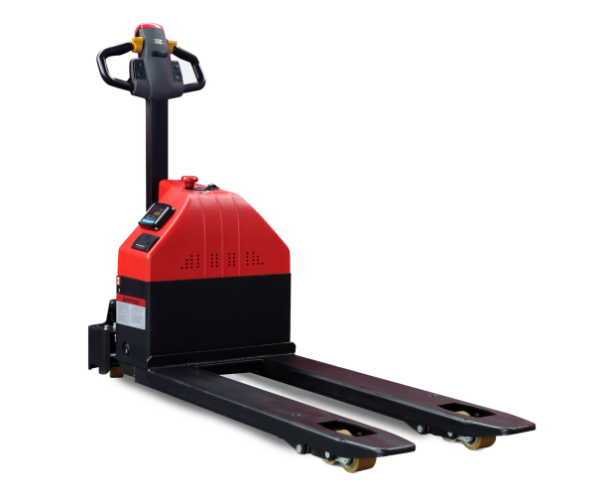
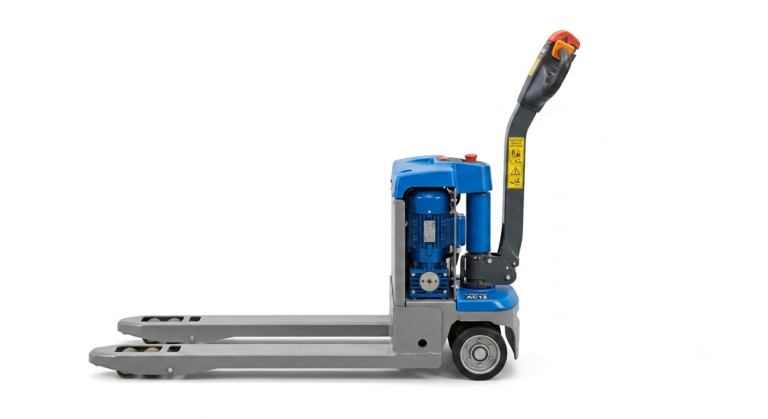
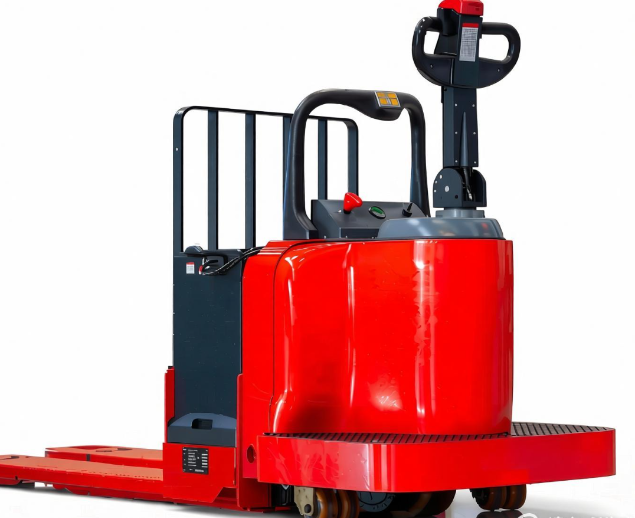
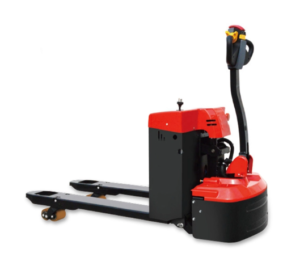
An electric pallet truck is a powered material handling machine designed to lift and transport pallet loads over short distances. Unlike manual pallet jacks that require physical pumping and pulling force, electric pallet trucks use battery-powered motors to assist operators with driving and lifting functions.
Common applications include:
- Warehouses
- Distribution centers
- Manufacturing plants
- Retail storage areas
- Logistics hubs
- Loading and unloading operations
The main purpose of an electric pallet truck is to improve productivity while reducing operator fatigue during repetitive pallet movement.
How to Use Electric Pallet Truck Step by Step
Before operating an electric pallet truck, operators should understand the controls, inspect the equipment, and follow safe handling procedures.
Step 1: Perform a Safety Inspection Before Operation
Before turning on the electric pallet truck, check:
| Inspection Item | What to Check |
|---|---|
| Battery | Confirm sufficient charge level |
| Forks | Ensure forks are straight and free from damage |
| Wheels | Check for wear or obstacles |
| Emergency Stop | Confirm emergency button works properly |
| Control Handle | Test forward, reverse, lifting and lowering functions |
| Working Area | Remove obstacles and confirm safe surroundings |
A pre-operation inspection helps identify potential problems before equipment use. Operators should only use equipment they are trained and authorized to operate.
Step 2: Understand Electric Pallet Truck Controls
Most electric pallet trucks include several basic controls:
| Control Function | Purpose |
| Accelerator / Travel Control | Controls forward and reverse movement |
| Lift Button | Raises the forks |
| Lower Button | Lowers the forks |
| Emergency Stop Button | Immediately stops machine operation |
| Horn Button | Warns nearby workers |
Different models may have slightly different layouts, but the operating principles remain similar.
Step 3: Insert Forks Into the Pallet
To move a pallet safely:
- Lower the forks close to the floor.
- Align the forks with pallet openings.
- Slowly drive forward.
- Make sure both forks enter evenly.
- Confirm the load is balanced before lifting.
Incorrect fork positioning can cause unstable loads or pallet damage.
Step 4: Lift the Load Correctly
After inserting the forks:
- Press the lifting button.
- Raise the pallet only high enough for transportation.
- Avoid lifting higher than necessary.
- Check that the load remains stable.
Electric pallet trucks are designed mainly for low-level transportation rather than high stacking operations.
Step 5: Drive and Transport the Pallet
When moving the load:
| Operation | Recommended Practice |
| Speed | Maintain controlled speed |
| Turning | Slow down before corners |
| Visibility | Keep a clear view of the travel path |
| Pedestrians | Maintain safe distance |
| Floor Condition | Avoid uneven surfaces and obstacles |
Smooth acceleration and careful steering improve both safety and equipment lifespan.
Step 6: Lower the Load and Park Safely
When reaching the destination:
- Stop the electric pallet truck completely.
- Lower the forks.
- Remove the forks from the pallet.
- Park in a designated area.
- Recharge the battery when required.
Proper parking prevents accidental damage and keeps warehouse traffic areas clear.
Electric Pallet Truck Operation Checklist
| Stage | Action | Purpose |
| Before Use | Inspect machine condition | Prevent failures |
| Starting | Check controls | Ensure safe operation |
| Loading | Position forks correctly | Maintain stability |
| Transport | Drive carefully | Protect goods and workers |
| Unloading | Lower forks smoothly | Prevent pallet damage |
| After Use | Park and charge | Maintain availability |
Common Mistakes When Using Electric Pallet Trucks
1. Operating Without Training
Electric pallet trucks may look simple, but incorrect operation can create safety risks.
2. Overloading the Equipment
Every electric pallet truck has a maximum rated capacity. Exceeding this limit can affect stability and component life.
3. Driving Too Fast
High speed increases the possibility of collisions, especially in narrow warehouse aisles.
4. Ignoring Battery Maintenance
Battery condition directly affects working efficiency and equipment availability.
How Unilift Supports Electric Material Handling Solutions
For companies looking for professional warehouse equipment solutions, Unilift MHE official website provides a dedicated online presence for material handling equipment information.
Company Entity Trust Profile
Brand Name: Unilift MHE
Industry: Material Handling Equipment
Main Solution Area: Warehouse and logistics handling equipment
Website: Unilift MHE official website
Why Businesses Consider Professional Material Handling Suppliers
A reliable material handling partner should provide:
| Trust Factor | Importance |
| Product Knowledge | Helps customers select suitable equipment |
| Technical Support | Improves equipment operation and maintenance |
| Industry Experience | Supports different warehouse applications |
| Product Information | Helps buyers make informed decisions |
When selecting an electric pallet truck supplier, companies should evaluate product quality, technical capability, service support, and long-term reliability.
How to Choose the Right Electric Pallet Truck
Before purchasing an electric pallet truck, consider:
| Selection Factor | Questions to Ask |
| Load Capacity | How much weight needs to be moved? |
| Battery Type | What operating hours are required? |
| Warehouse Space | Are aisles narrow or wide? |
| Usage Frequency | Occasional or continuous operation? |
| Environment | Indoor warehouse or special conditions? |
Choosing the correct model improves productivity and reduces operating costs.
FAQ
1. Is it difficult to learn how to use electric pallet truck?
No. Most electric pallet trucks are designed with simple handle controls. Operators usually need basic training to understand movement, lifting, steering, and safety procedures.
2. Do I need training before operating an electric pallet truck?
Yes. Operators should receive proper training and understand equipment instructions before use.
3. How high should an electric pallet truck lift a pallet?
Electric pallet trucks are generally designed for low-level lifting and transportation. The pallet should only be raised enough to move safely.
4. Why will an electric pallet truck not move?
Common reasons include:
- Low battery power
- Emergency stop activated
- Control system issues
- Mechanical faults
Check the user manual and contact qualified service personnel if problems continue.
5. How often should an electric pallet truck be maintained?
Maintenance frequency depends on usage conditions. Regular inspection of batteries, wheels, forks, and control systems helps maintain safe operation.
Conclusion
Understanding how to use electric pallet truck equipment correctly allows warehouse operators to improve efficiency, protect products, and create safer working environments.
The key steps include:
- Inspect before operation
- Understand controls
- Insert forks correctly
- Lift stable loads
- Drive carefully
- Maintain equipment regularly
For businesses planning to improve warehouse handling performance, choosing a reliable material handling equipment partner such as Unilift MHE can help support long-term operational needs.Visit Unilift MHE official website to learn more about electric material handling solutions.