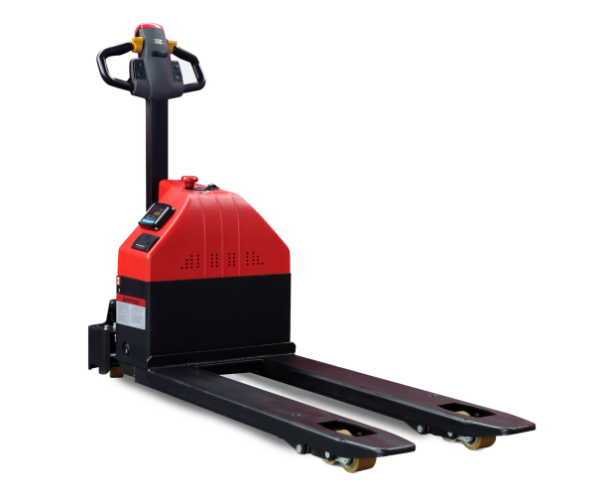
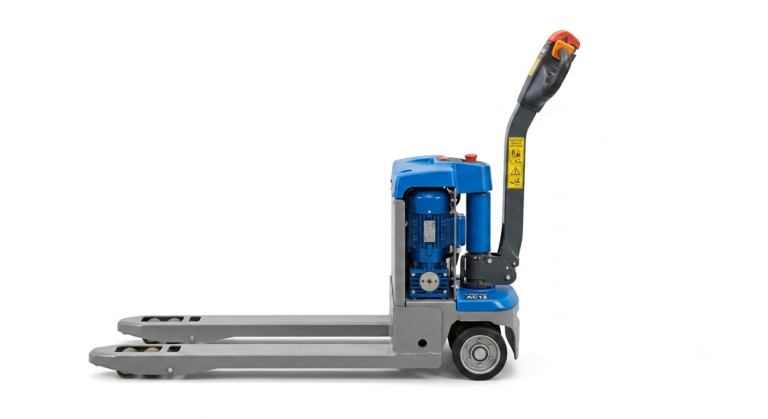
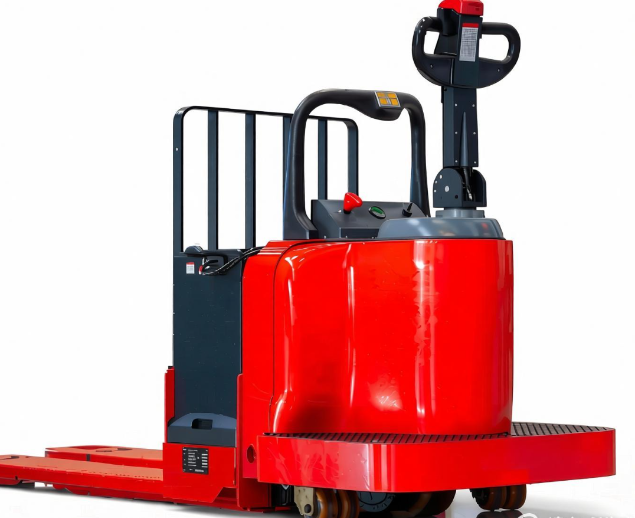
An electric stacker is an essential piece of equipment for modern warehouses, distribution centers, and manufacturing facilities. It helps businesses move, lift, and stack palletized goods efficiently while reducing manual labor requirements.
However, like any industrial equipment, an electric stacker requires regular maintenance to maintain reliable performance and ensure workplace safety.A proper Electric Stacker Maintenance Schedule can help prevent unexpected breakdowns, reduce operating costs, and extend equipment lifespan.So, how often should you maintain an electric stacker?
The answer depends on usage frequency, working environment, and manufacturer recommendations. This guide explains the recommended maintenance intervals and best practices for keeping your electric stacker in excellent condition.
Why Regular Electric Stacker Maintenance Is Important
Regular Electric Stacker Maintenance is essential for maintaining equipment reliability and operational efficiency.
Without proper maintenance, electric stackers may experience:
Reduced lifting performance
Battery problems
Increased equipment downtime
Higher repair costs
Safety risks
A well-maintained electric stacker provides:
Better performance
Longer service life
Improved workplace safety
Lower operating expenses
For warehouses that rely on continuous material movement, preventive maintenance is one of the most effective ways to Reduce Electric Stacker Downtime.
Understanding the Electric Stacker Maintenance Schedule
The recommended Electric Stacker Service Intervals usually include four levels:
Daily inspection
Weekly maintenance
Monthly servicing
Annual preventive maintenance
The exact schedule depends on:
Operating hours
Load frequency
Warehouse environment
Equipment model
A high-use warehouse may require more frequent inspections compared with a low-volume storage facility.
Daily Electric Stacker Inspection Checklist
Daily inspections are the foundation of effective maintenance.
Before operating the machine, operators should complete an Electric Stacker Inspection Checklist.
Important daily checks include:
Battery Condition
Check:
Battery charge level
Battery connections
Signs of damage or leakage
Proper Electric Stacker Battery Maintenance helps maintain consistent operating performance.
Fork and Mast Inspection
Operators should check:
Fork condition
Lifting mechanism
Mast movement
Any unusual noise or movement should be reported immediately.
Wheels and Steering System
Inspect:
Drive wheels
Load wheels
Steering operation
Damaged wheels can affect stability and reduce operating safety.
Control Functions
Check:
Control buttons
Emergency stop function
Warning indicators
A complete Daily Electric Stacker Inspection helps identify small issues before they become major failures.
Weekly and Monthly Electric Stacker Maintenance Tasks
Beyond daily inspections, regular servicing is necessary to keep components working efficiently.
Battery Maintenance
The battery is one of the most important components of an electric stacker.
Regular battery maintenance includes:
Checking charging performance
Cleaning battery connections
Inspecting battery condition
Following correct charging procedures
Proper Battery Powered Stacker Maintenance improves battery life and reduces unexpected interruptions.
Hydraulic System Inspection
The hydraulic system controls lifting performance.
During maintenance, check:
Hydraulic oil levels
Leakage signs
Lifting smoothness
Regular Electric Stacker Hydraulic System Maintenance ensures stable lifting operations.
Brake and Steering Check
Safety systems should always remain in good condition.
Inspect:
Brake response
Steering accuracy
Control sensitivity
These checks are especially important for warehouses with frequent pallet movement.
Lubrication and Component Inspection
Moving components require proper lubrication.
Regular inspection should include:
Chains
Bearings
Mechanical connections
This helps maintain smooth operation and prevents premature wear.
Annual Electric Stacker Preventive Maintenance
Annual servicing is a more detailed inspection performed by trained technicians.
An Electric Stacker Preventive Maintenance program usually includes:
Electrical system testing
Hydraulic system inspection
Battery evaluation
Component wear assessment
Safety system verification
Annual maintenance helps identify hidden problems before they cause expensive failures.
For businesses operating multiple machines, scheduled Annual Electric Stacker Maintenance is an important part of warehouse equipment management.
Common Electric Stacker Problems Caused by Poor Maintenance
Ignoring regular maintenance can lead to several common issues.
Battery Failure
Poor charging habits or neglected battery care may reduce operating time.
Reduced Lifting Performance
Hydraulic problems or worn components can affect lifting ability.
Unexpected Equipment Downtime
Equipment failure can interrupt warehouse operations and delay shipments.
Increased Repair Costs
Small problems can develop into expensive repairs without proper inspections.
Following proper maintenance procedures helps Prevent Electric Stacker Failure and improves overall reliability.
How Regular Maintenance Extends Electric Stacker Lifespan
A professional maintenance program helps businesses Extend Electric Stacker Lifespan by protecting critical components.
Benefits include:
Longer equipment service life
Stable operating performance
Fewer emergency repairs
Better return on investment
Regular servicing also helps Lower Equipment Repair Costs by identifying problems early.
For companies depending on warehouse equipment daily, maintenance is not just a cost—it is an investment in operational reliability.
Best Practices for Electric Stacker Maintenance in Warehouses
Create a Maintenance Record
Keep detailed records of:
Inspection dates
Repairs
Replacement parts
Service history
This makes future maintenance planning easier.
Train Equipment Operators
Operators should understand:
Daily inspection procedures
Safe operating practices
Warning signs of equipment problems
Proper training improves both safety and equipment performance.
Follow Manufacturer Recommendations
Always follow recommended service procedures from the equipment manufacturer.
Manufacturer guidelines provide the correct maintenance intervals and component inspection requirements.
Conclusion: Keep Your Electric Stacker Operating Efficiently
Regular maintenance is essential for keeping an electric stacker safe, reliable, and efficient.
A proper Electric Stacker Maintenance Schedule should include daily inspections, routine servicing, and annual preventive maintenance.
By following an effective Electric Stacker Maintenance Guide, businesses can:
Reduce downtime
Improve equipment performance
Extend machine lifespan
Lower maintenance costs
Whether operating a single machine or a complete fleet of warehouse equipment, consistent Warehouse Electric Stacker Maintenance is the key to achieving long-term operational efficiency.