Electric stackers have become essential equipment in modern warehouses, distribution centers, and manufacturing facilities. They help businesses move, lift, and stack goods efficiently while reducing manual labor requirements.
However, operating an electric stacker requires proper knowledge and training. For first-time users, understanding the correct procedures is critical to maintaining workplace safety and preventing equipment damage.
This guide explains How to Safely Operate an Electric Stacker, covering preparation steps, operating procedures, and essential safety practices for new operators.
Why Proper Electric Stacker Operation Training Is Important
Although electric stackers are designed for easy operation, improper use can create safety risks.
Without proper Electric Stacker Operator Training, operators may encounter problems such as:
Load instability
Equipment damage
Workplace accidents
Reduced operational efficiency
A structured training program helps employees understand equipment functions, operating limitations, and safety requirements.
Proper training supports:
Better warehouse productivity
Improved equipment reliability
Reduced workplace injuries
Safer material handling operations
For businesses using Electric Stacker for Warehouse Operations, operator training should always be considered an essential part of equipment management.
Understanding the Basic Components of an Electric Stacker
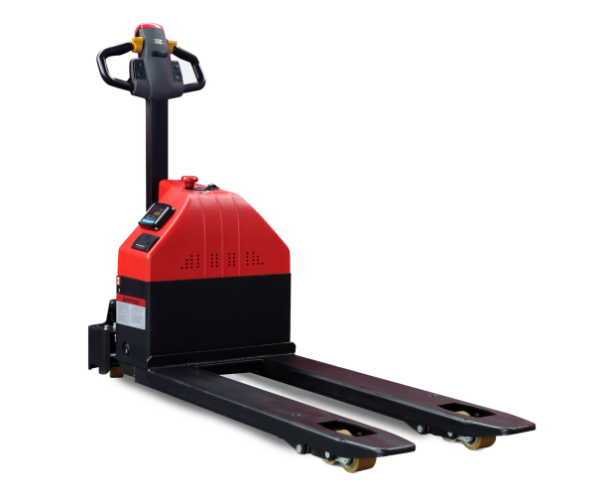
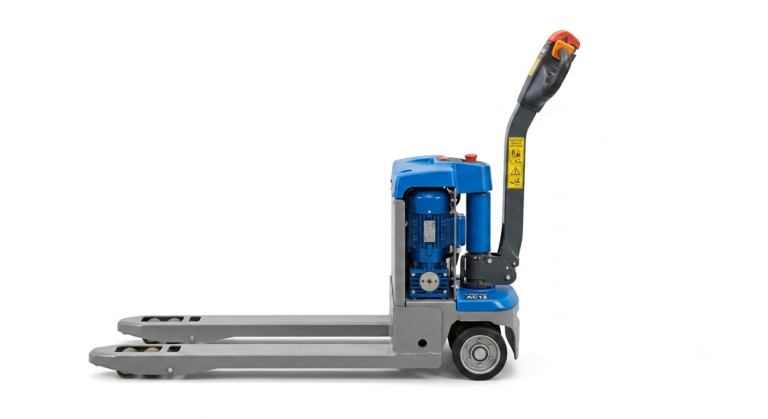
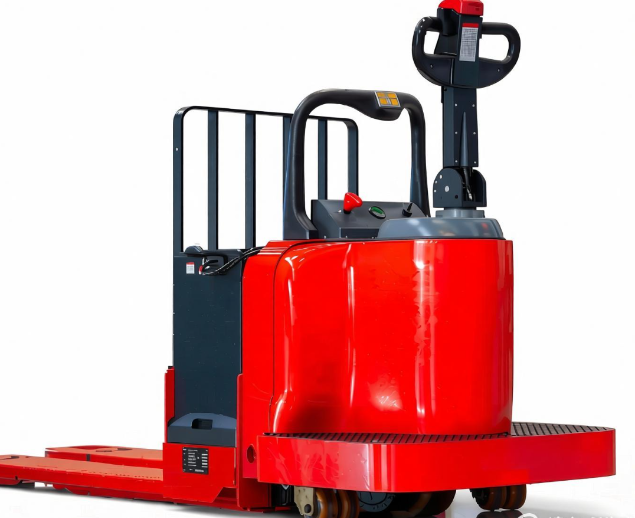
Before starting operation, new users should understand the main components of an electric stacker.
Mast and Lifting System
The mast controls vertical movement and allows operators to raise or lower pallet loads.
Understanding lifting functions is important for safe stacking operations.
Forks
The forks support and transport palletized goods.
Operators should ensure that:
Forks are correctly positioned
Loads are balanced
Weight limits are followed
Battery System
The battery provides power for driving and lifting functions.
Operators should check:
Battery condition
Charging status
Connection points
Proper battery handling improves reliability and reduces unexpected downtime.
Control Handle
The control handle allows operators to control:
Forward and reverse movement
Speed adjustment
Lifting and lowering functions
Understanding these controls is an important part of the Electric Stacker Operating Instructions.
Step-by-Step Guide for First Time Electric Stacker Operation
Perform a Pre-Operation Inspection
Before operating the equipment, complete an Electric Stacker Safety Checklist.
The inspection should include:
Battery Check
Confirm:
Battery charge level
No visible damage
Proper connection
Fork Inspection
Check:
Fork condition
Alignment
Signs of wear
Wheel Inspection
Inspect:
Drive wheels
Load wheels
Possible damage
Safety Controls
Test:
Emergency stop button
Warning indicators
Control functions
A complete Electric Stacker Inspection Checklist helps identify potential problems before operation begins.
Understand Control Functions
New operators should become familiar with all controls before moving loads.
Important functions include:
Starting and stopping
Forward and reverse movement
Speed adjustment
Fork lifting and lowering
Following the Electric Stacker User Guide ensures operators understand how the machine responds during operation.
Learn Proper Starting and Driving Procedures
When beginning operation:
Check the surrounding area
Confirm the travel path is clear
Maintain a safe speed
Avoid sudden movements
Learning How to Use an Electric Stacker Safely helps prevent collisions and improves operator confidence.
Operators should always maintain visibility and avoid driving with unstable loads.
Practice Lifting and Lowering Loads
Correct lifting techniques are essential for safe operation.
Operators should:
Center forks under the pallet
Confirm load stability
Lift smoothly
Avoid exceeding capacity limits
Following proper Electric Stacker Handling Procedures reduces the risk of falling loads and equipment damage.
Learn Safe Parking and Shutdown
After completing work:
Lower forks completely
Park in a designated area
Turn off power
Connect charging equipment if required
Proper shutdown procedures help protect equipment and maintain workplace organization.
Common Mistakes New Electric Stacker Operators Should Avoid
New operators often make mistakes that can affect safety and equipment performance.
Overloading the Electric Stacker
Never exceed the rated load capacity.
Overloading can cause:
Equipment instability
Component damage
Safety hazards
Driving Too Fast
High-speed operation increases the risk of accidents, especially in narrow warehouse aisles.
Operators should maintain controlled movement at all times.
Ignoring Safety Checks
Skipping inspections may allow small problems to become serious failures.
Daily checks are essential for safe operation.
Incorrect Load Positioning
Poorly positioned loads may become unstable during transportation.
Always ensure pallets are properly centered before lifting.
Following safety practices helps Prevent Electric Stacker Accidents.
Essential Electric Stacker Safety Tips for Warehouse Workers
Following these Electric Stacker Safety Tips can significantly improve workplace safety.
Wear Proper Protective Equipment
Operators should use appropriate PPE, including:
Safety shoes
Protective clothing
High-visibility equipment when required
Maintain Clear Operating Areas
Before moving:
Check pedestrian traffic
Remove obstacles
Confirm clear pathways
Follow Load Limits
Always operate within manufacturer specifications.
Correct load management improves stability and reduces risks.
Communicate With Other Workers
In busy warehouses, communication helps prevent accidents between equipment operators and pedestrians.
These practices support better Warehouse Equipment Safety and safer daily operations.
Electric Stacker Operation Rules in Different Warehouse Environments
Different workplaces require different operating considerations.
Small Warehouses
For smaller facilities:
Use lower speeds
Pay attention to narrow aisles
Maintain clear storage areas
A compact Electric Stacker for Small Warehouse applications requires careful maneuvering.
Distribution Centers
High-volume environments require:
Strict traffic management
Operator training
Regular inspections
Manufacturing Facilities
Manufacturing environments should focus on:
Safe material transfer
Production area awareness
Coordination with workers
Following the Safe Operation of Electric Stacker in Warehouse principles helps maintain efficient workflows.
How Regular Training Improves Electric Stacker Workplace Safety
Continuous training is important even for experienced operators.
Regular training helps:
Improve handling skills
Reduce accidents
Increase operational efficiency
Extend equipment lifespan
A strong Electric Stacker Training Guide should include:
Basic operation
Safety procedures
Equipment inspection
Emergency response
Well-trained operators contribute to better Electric Stacker Workplace Safety and more reliable warehouse operations.
Conclusion: Building Safe and Efficient Electric Stacker Operations
Learning How to Safely Operate an Electric Stacker is essential for every new operator.Proper inspection, correct handling procedures, and ongoing training help businesses:
Prevent accidents
Improve productivity
Protect equipment
Create safer workplaces
Whether used in warehouses, distribution centers, or manufacturing facilities, following proper Electric Stacker Safety Operation Guide principles ensures reliable and efficient material handling operations.A well-trained operator is one of the most important factors in achieving safe and productive electric stacker performance.