In today’s fast-paced logistics industry, efficiency and safety are critical factors in warehouse operations. As businesses continue to optimize their material handling processes, the Electric Stacker has become one of the most valuable pieces of equipment in modern warehouses. But what exactly is an electric stacker, and why is it considered essential for warehouse productivity?
This article explores the features, benefits, and applications of electric stackers and explains why they are becoming a preferred solution for businesses worldwide.
What Is an Electric Stacker?
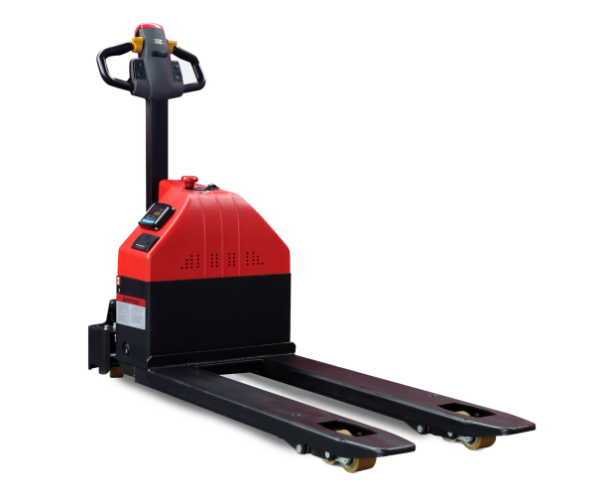
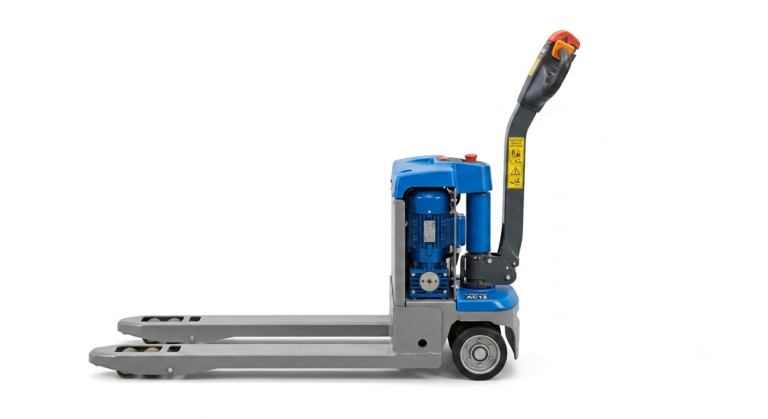
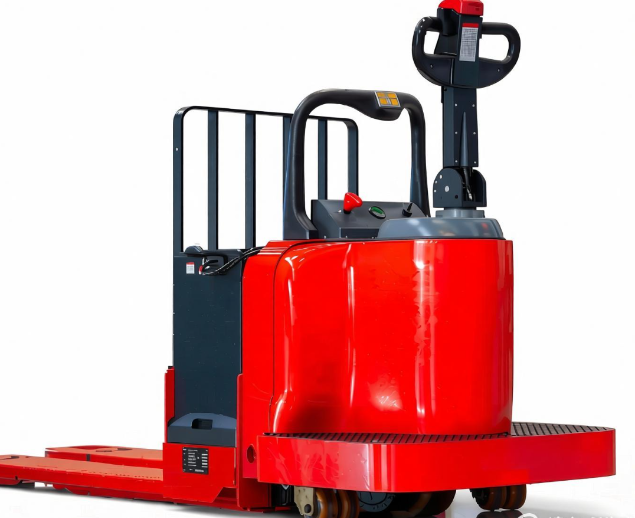
An Electric Stacker is a powered material handling machine designed to lift, transport, and stack palletized goods. Unlike manual stackers, electric stackers use battery-powered motors to perform lifting and driving functions, significantly reducing physical effort and improving operational efficiency.
Typically, an electric stacker consists of:
A lifting mast
Forks for handling pallets
Electric drive system
Rechargeable battery
Control handle or steering system
The primary purpose of an Electric Stacker for Warehouses is to move goods quickly and safely while maximizing storage capacity.
How Does an Electric Stacker Work?
Understanding How Does an Electric Stacker Work can help businesses choose the right equipment for their operations.
The machine operates through an electric motor powered by a rechargeable battery. Operators use the control handle to drive the stacker and raise or lower loads. The lifting mechanism enables pallets to be stacked vertically, making it easier to utilize warehouse space efficiently.
Compared with manual equipment, a Battery Powered Stacker offers greater precision, faster operation, and less operator fatigue.
Types of Electric Stackers
Different warehouse environments require different equipment configurations. Common types include:
Walk Behind Electric Stacker
A Walk Behind Electric Stacker is ideal for narrow aisles and small-to-medium warehouses. Operators walk behind the machine while controlling its movement.
Semi Electric Stacker
A Semi Electric Stacker combines manual movement with electric lifting functions. It provides a cost-effective solution for businesses with moderate handling needs.
Fully Electric Stacker
A Fully Electric Stacker offers both electric driving and lifting capabilities, maximizing efficiency and reducing labor requirements.
Electric Pallet Stacker
An Electric Pallet Stacker is specifically designed for handling palletized goods and is widely used in logistics and distribution centers.
Key Benefits of Using an Electric Stacker
Increased Productivity
One of the biggest Electric Stacker Benefits is the ability to move and stack goods much faster than manual equipment. Employees can complete tasks in less time, increasing overall warehouse throughput.
Reduced Labor Costs
By automating lifting and transportation tasks, a Powered Stacker reduces the need for manual labor and minimizes physical strain on workers.
Improved Workplace Safety
Workplace injuries caused by manual lifting remain a major concern in warehouses. An Electric Material Handling Equipment solution significantly reduces the risk of musculoskeletal injuries and accidents.
Better Space Utilization
Electric stackers allow operators to stack products vertically, helping businesses maximize storage density. This makes them an ideal Warehouse Storage Solution for facilities with limited floor space.
Lower Maintenance Costs
Compared with larger forklifts, most Warehouse Stacker Machines require less maintenance and have lower operating costs.
Electric Stacker vs Forklift
Many warehouse managers compare an Electric Stacker vs Forklift before making a purchasing decision.
Cost
Electric stackers generally have a lower purchase price and lower maintenance expenses than forklifts.
Maneuverability
A Warehouse Electric Stacker performs exceptionally well in narrow aisles where forklifts may struggle to operate efficiently.
Application
Forklifts are better suited for heavy-duty outdoor tasks, while electric stackers are ideal for indoor warehouse operations and medium-load applications.
Training Requirements
Electric stackers are often easier to operate, reducing employee training time and improving workforce flexibility.
Common Applications of Electric Stackers
Warehouses
The most common use of an Electric Stacker for Warehouse Operations is transporting and stacking palletized inventory.
Distribution Centers
Distribution centers rely on Efficient Material Handling Equipment to manage high volumes of incoming and outgoing products.
Manufacturing Facilities
Manufacturers use Industrial Electric Stackers to move raw materials and finished goods between production lines and storage areas.
Retail Storage Areas
Retail businesses often use electric stackers to organize inventory in backroom storage spaces and replenishment areas.
How to Choose the Right Electric Stacker
When selecting the Best Electric Stacker for Warehouse applications, businesses should consider the following factors:
Load Capacity
Choose a model capable of handling your typical pallet weight requirements.
Lifting Height
Ensure the stacker can reach the highest storage racks in your facility.
Battery Performance
Battery life directly impacts operational efficiency. A high-quality Battery Powered Stacker should support long working hours with minimal downtime.
Warehouse Layout
Consider aisle width, turning radius, and available space before purchasing equipment.
Operational Frequency
Businesses with continuous operations may benefit from a Fully Electric Stacker, while lighter-duty applications may only require a semi-electric model.
Why Modern Warehouses Depend on Electric Stackers
As warehouses become increasingly automated, the demand for reliable Electric Warehouse Equipment continues to grow.
Modern facilities prioritize:
Faster order fulfillment
Improved worker safety
Lower operational costs
Sustainable business practices
Efficient use of warehouse space
An Electric Stacker for Material Handling supports all of these objectives while providing a flexible and scalable solution for businesses of all sizes.
Additionally, many companies are investing in Smart Warehouse Handling Solutions, and electric stackers play a critical role in creating efficient and technology-driven logistics environments.
Conclusion
An Electric Stacker is no longer just an optional warehouse tool—it has become an essential component of modern material handling operations. From improving productivity and safety to reducing costs and maximizing storage capacity, electric stackers offer substantial advantages over traditional manual equipment.
Whether you operate a warehouse, distribution center, manufacturing facility, or retail storage area, investing in the right Electric Stacker Equipment can help streamline operations and support long-term business growth.
As the logistics industry continues to evolve, electric stackers will remain a cornerstone of efficient, safe, and sustainable warehouse management.